

Convention Video Production That Extends Your Reach
A convention can bring hundreds or thousands of people into one room, but the value should not disappear when the exhibit hall closes. Strategic convention video production preserves the ideas, energy, expertise, and connections that make an event worth attending - then turns those moments into useful business assets.
For marketing teams, event planners, and corporate communications leaders, the goal is not simply to document what happened. It is to create polished content that supports registration for the next event, strengthens brand visibility, gives sales teams credible proof of engagement, and helps employees or stakeholders feel connected to the organization’s mission.
Convention Video Production Starts With a Business Goal
The strongest convention coverage begins well before cameras arrive at the venue. A production team needs to understand what success looks like for the organization hosting, sponsoring, or attending the event.
A national association may need a high-energy recap that demonstrates member engagement and encourages future attendance. A corporate exhibitor may need short interviews, product demonstrations, and booth footage for sales outreach. An internal communications team may want leadership remarks and employee testimonials that can be shared with teams who could not attend.
These are different assignments, even when they happen on the same convention floor. A single generic highlight video may look polished, but it can fall short if it does not address a clear communications need. Defining priorities early helps determine the right crew size, filming schedule, interview approach, editing style, and deliverables.
A useful planning conversation should cover the event audience, priority messages, brand guidelines, key people to feature, must-capture moments, and where the final videos will be used. When these decisions are made in advance, production becomes more efficient and the finished content feels intentional rather than assembled from whatever happened to be captured.
What to Capture at a Convention
Conventions move quickly. General sessions, keynote speakers, breakouts, networking receptions, sponsor activations, and exhibit-floor conversations can all happen within a few hours. A reliable video plan balances the big picture with the moments that give an event its character.
Wide footage establishes scale: a full ballroom, a busy registration area, attendees moving through an exhibit hall, or a packed keynote session. Detail shots provide texture: branded signage, name badges, hands-on product demonstrations, presentation slides, applause, and meaningful conversations. Together, these visuals show both the professionalism of the event and the genuine participation behind it.
Interviews often provide the clearest explanation of why the convention matters. A concise on-camera comment from an executive, event organizer, sponsor, speaker, or attendee can give a recap video direction and credibility. The best interviews are not heavily scripted, but they are prepared. Questions should connect back to the organization’s goals, whether that means industry leadership, education, innovation, community impact, or business growth.
Speaker coverage also requires special attention. Capturing a keynote is not only about recording the stage. It involves clean audio, camera angles that respect the presenter and audience, presentation visuals when appropriate, and enough supporting footage to make excerpts engaging after the event. If full-session recordings are required, the production plan should account for longer run times, backup recording, slide integration, and file delivery expectations.
Plan for More Than One Final Video
A convention is a content-rich environment. Treating it as a source for only one two-minute recap can limit the return on a significant event investment.
A primary event highlight video is often the centerpiece. It can capture the event’s pace, bring together key messaging, and give future attendees a reason to participate. Yet short-form social clips, speaker excerpts, attendee testimonials, sponsor features, and vertical video for mobile platforms can often provide more frequent value in the weeks and months that follow.
The right mix depends on your distribution plan. If registration is the priority, a compelling recap and attendee reactions may be most useful. If the event supports thought leadership, speaker clips and educational takeaways may deserve greater attention. If sponsors are central to the event’s financial model, dedicated sponsor footage can help demonstrate visibility and support future partnership conversations.
This does not mean every event needs every possible deliverable. More footage is not automatically better. The practical choice is to create a focused set of videos that your team has the capacity and purpose to publish. A tailored production plan keeps resources aligned with outcomes.
Build a Shot List Without Making Coverage Rigid
A shot list protects essential moments from being missed. It should identify scheduled sessions, VIP interviews, important booth activity, sponsor recognition, awards, and any visual brand elements that need to appear in the final edit.
At the same time, conventions are full of unscripted moments. An unexpected crowd around a demonstration, an enthusiastic reaction during a keynote, or a meaningful networking exchange may become the footage that makes the final video feel alive. Experienced event videography requires preparation and awareness - the ability to follow a plan without overlooking what is happening around it.
Audio Is the Difference Between Footage and Usable Content
Convention spaces are challenging audio environments. Exhibit halls have music, crowd noise, announcements, demonstrations, and conversations happening at once. Ballrooms can introduce echo. Networking receptions may be visually strong but difficult for interviews.
That is why professional production should include an audio strategy, not just high-quality cameras. Depending on the situation, this may involve wireless microphones for interviews, a feed from the venue sound system for speakers, backup audio recording, and a quieter location for executive comments.
Good sound is especially important when video will support leadership communications, product education, or thought leadership. Viewers may forgive a few imperfect event visuals. They are far less likely to stay engaged when a speaker is hard to hear or an interview is overwhelmed by background noise.
Protect Brand Standards in a Fast-Moving Environment
A convention represents your organization in public. The finished video should reflect the same level of care found in your website, campaign materials, presentations, and customer-facing communications.
That means considering brand colors, logo treatment, typography, tone, music selection, on-screen messaging, and the people shown on camera. It also means understanding the event’s purpose. A technology conference may call for crisp, forward-looking pacing, while an association gathering may benefit from a more people-centered story focused on community and expertise.
Brand alignment is not about making every frame feel overly controlled. Event video should still feel natural and energetic. The goal is to shape authentic footage into an asset that audiences recognize as distinctly yours.
For organizations working with multiple departments, clear approval processes are equally valuable. Establish who will provide brand assets, review interview prompts, approve edits, and confirm permissions for speakers or attendees. These details prevent avoidable delays after the event, when marketing teams are often trying to publish quickly.
The Best Time to Plan Is Before Registration Opens
Many teams book video coverage after the event agenda is already final. That can work, but early planning creates more options. It gives the production partner time to review the venue, identify lighting and audio considerations, coordinate with event staff, schedule interviews, and build a realistic filming timeline.
Early coordination also helps when the convention includes live streaming, multi-room sessions, video playback, or same-day edits. These services require additional equipment, crew coordination, reliable connectivity, and contingency planning. They should be part of the conversation from the beginning rather than last-minute additions.
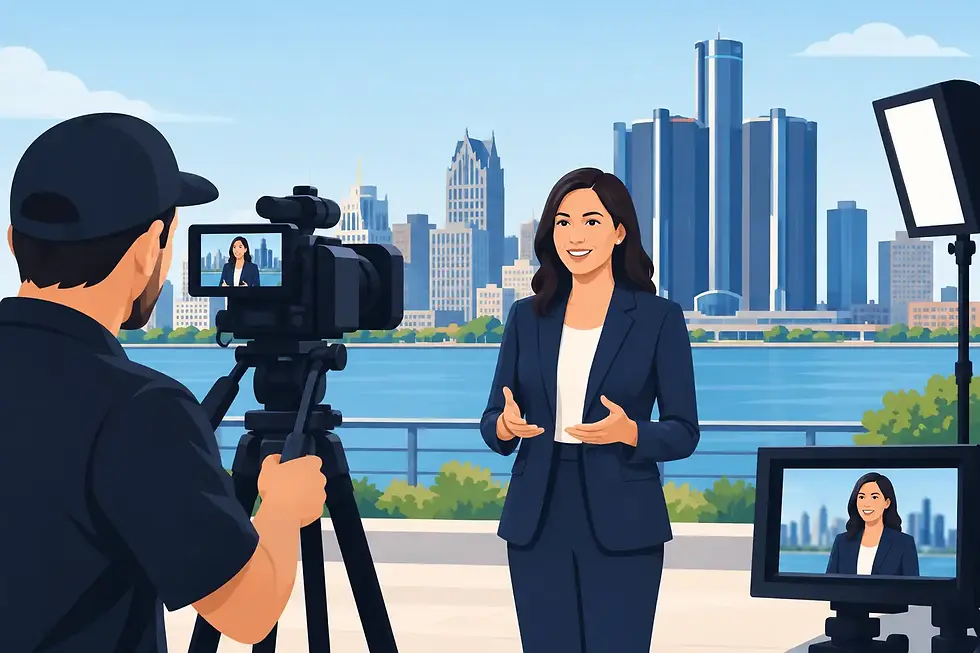
For Detroit organizations and national teams hosting events in the area, working with a professional crew familiar with corporate expectations can reduce the pressure on internal staff. Germain Gavonni Media approaches event coverage as a collaborative process, aligning production decisions with the brand, audience, and practical goals behind the convention.
Measure Value After the Event
The value of convention video is not limited to views in the first week. A well-produced recap can support next year’s event promotion. Speaker clips can be used in newsletters, sales presentations, recruitment efforts, and social campaigns. Testimonials can reinforce sponsor materials or member outreach. A short library of event footage can provide visual support for future content long after the convention ends.
To assess performance, look beyond a single view count. Consider watch time, engagement, registration-page performance, lead conversations, social shares, internal feedback, and how often the content is reused. The right measure depends on the original goal.
A convention lasts a few days. The right video strategy gives its strongest moments a much longer working life - and gives your organization polished proof of the experience, expertise, and relationships it brings together.


Comments